
From Ancient Remedies to Modern CPR: A Life-Saving Journey
The history of saving a life is as old as humanity itself. Long before we had automated machines and standardized protocols, our ancestors were desperately searching for ways to “bring back” those who had succumbed to sudden illness or injury. Today, first aid CPR training is a streamlined, scientific process, but the journey to get here was filled with strange theories and incredible breakthroughs.
The Early Days: Smoke, Heat, and Bellows
In the 1700s, the medical world was a bit of a “Wild West.” One of the most popular resuscitation methods involved the “Bellows Method,” where actual fireplace bellows were used to force air into a victim’s lungs. Even stranger was the use of tobacco smoke, which was thought to provide enough “stimulus” to restart the heart. While these methods seem bizarre now, they represented the first human realization that we could—and should—intervene when someone stops breathing.
The 19th Century: A Shift in Understanding
As we moved into the 1800s, physicians began to move away from external stimulants and toward manual manipulation. Techniques like the “Sylvester Method” involved raising a patient’s arms over their head and then pressing them against the chest to induce breathing. It wasn’t perfect, but the medical community was getting closer to understanding the mechanics of the chest cavity.
1960: The Birth of Modern CPR
The real “eureka” moment happened in 1960. Doctors Peter Safar, James Elam, and Kouwenhoven combined mouth-to-mouth ventilation with chest compressions. This was the first time the world saw a portable, effective way to keep blood flowing to the brain without a surgical suite. This era also saw the birth of CPR training Certification. For the first time, life-saving skills weren’t just for doctors; they were for the general public.
The Modern Era: Precision and Technology
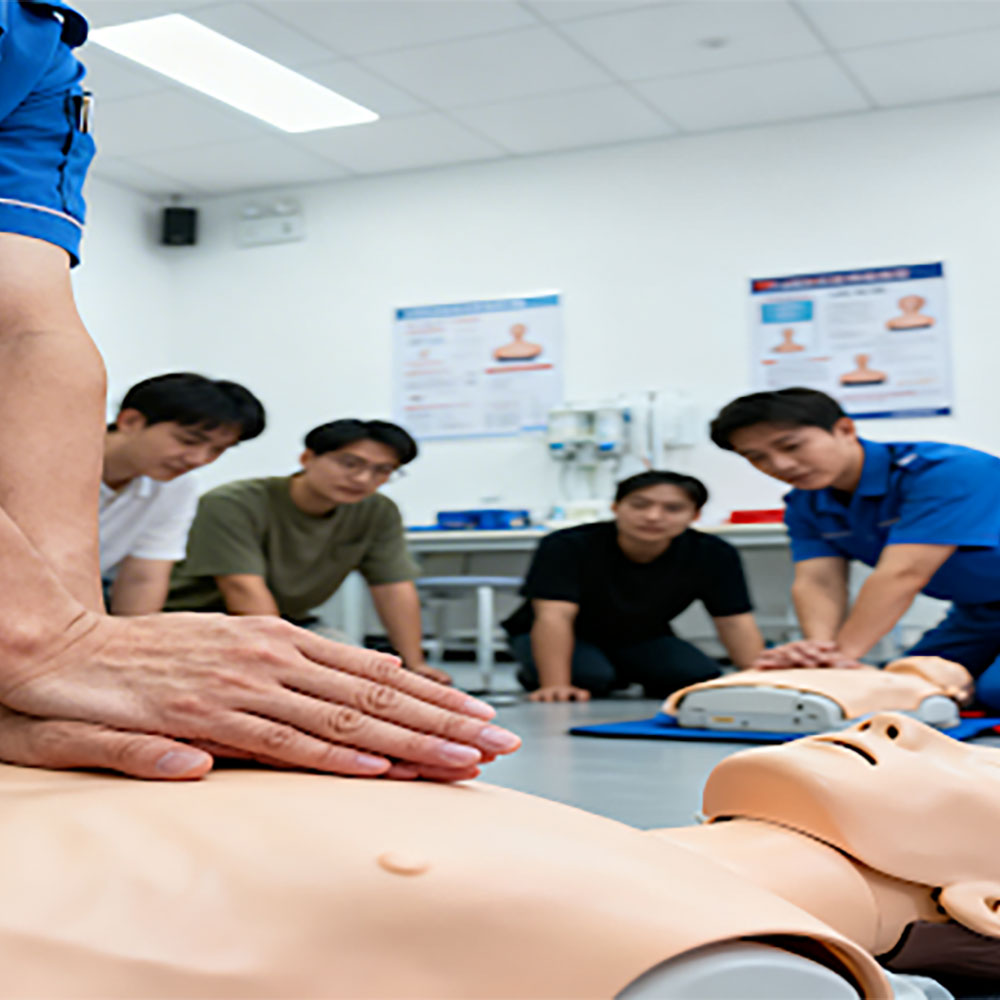
In today’s modern way of life, the landscape has changed entirely. We have moved toward “Hands-Only” CPR for bystanders, recognizing that keeping the blood moving is the highest priority in the first few minutes of cardiac arrest. IN major international hubs, the standards have reached new heights. For instance, first aid CPR training in Dubai now frequently utilizes high-tech feedback manikins and VR simulations. These tools ensure that when a trainee receives their CPR training certification, they aren’t just reciting steps—they have the muscle memory to save a life under pressure.
Modern First Aid: Beyond Basics
First aid today is more comprehensive than ever before. It includes:
- Managing cardiac arrest and strokes
- Treating burns, cuts, and fractures
- Handling choking and breathing emergencies
- Providing basic mental health support
With the help of digital tools, mobile apps, and online courses, learning first aid has become more accessible to people around the world.
Conclusion: Your Place in the Timeline
The evolution of first aid reveals that, while technology advances, the core mission remains the same: giving someone a second chance at life. We have moved from bellows and smoke to smart AEDs and precision compressions