
When a child’s life depends on quick, correct clinical decisions, there’s no room for hesitation. That’s exactly why Pediatric Advanced Life Support, better known as PALS, has become one of the most essential credentials for healthcare professionals working in pediatric, emergency, and critical care settings. If you’re pursuing a career in these fields, understanding PALS Certification in UAE what it covers, who needs it, and how to get certified is a crucial step in building a credible, job-ready profile.
What Is PALS Certification?
PALS is a specialized training and certification program designed to equip healthcare providers with the knowledge and skills needed to recognize and manage life-threatening emergencies in infants and children. It covers systematic assessment approaches, recognition of respiratory and cardiac emergencies, and effective team dynamics during resuscitation, as well as evidence-based interventions tailored specifically to pediatric physiology, which differs significantly from adult emergency care.
Why PALS Certification Matters
Pediatric patients aren’t simply “small adults” their airways, cardiovascular systems, and response to medications differ in ways that require specialized knowledge. A provider without proper pediatric-specific training may miss subtle warning signs or apply interventions that aren’t appropriate for a child’s physiology. PALS certification closes this gap, giving healthcare workers the confidence and competence to respond effectively when every second counts.
For employers, PALS certification is often a non-negotiable requirement for roles in pediatric emergency departments, neonatal and pediatric intensive care units, ambulance and emergency response teams, and pediatric specialty clinics. Holding this certification signals to hiring managers that you’re prepared to handle high-stakes situations involving young patients.
Who Needs PALS Certification?
While it’s most closely associated with emergency and critical care staff, PALS certification is valuable for a wide range of healthcare professionals, including:
- Emergency room nurses and physicians
- Pediatric and neonatal ICU staff
- Paramedics and emergency medical technicians
- Pediatric nurse practitioners
- Anesthesiologists working with pediatric patients
- General nurses working in facilities that treat children
Even professionals who don’t work exclusively with pediatric patients often pursue PALS certification to broaden their emergency response capabilities and improve their overall employability.
What the Certification Course Covers
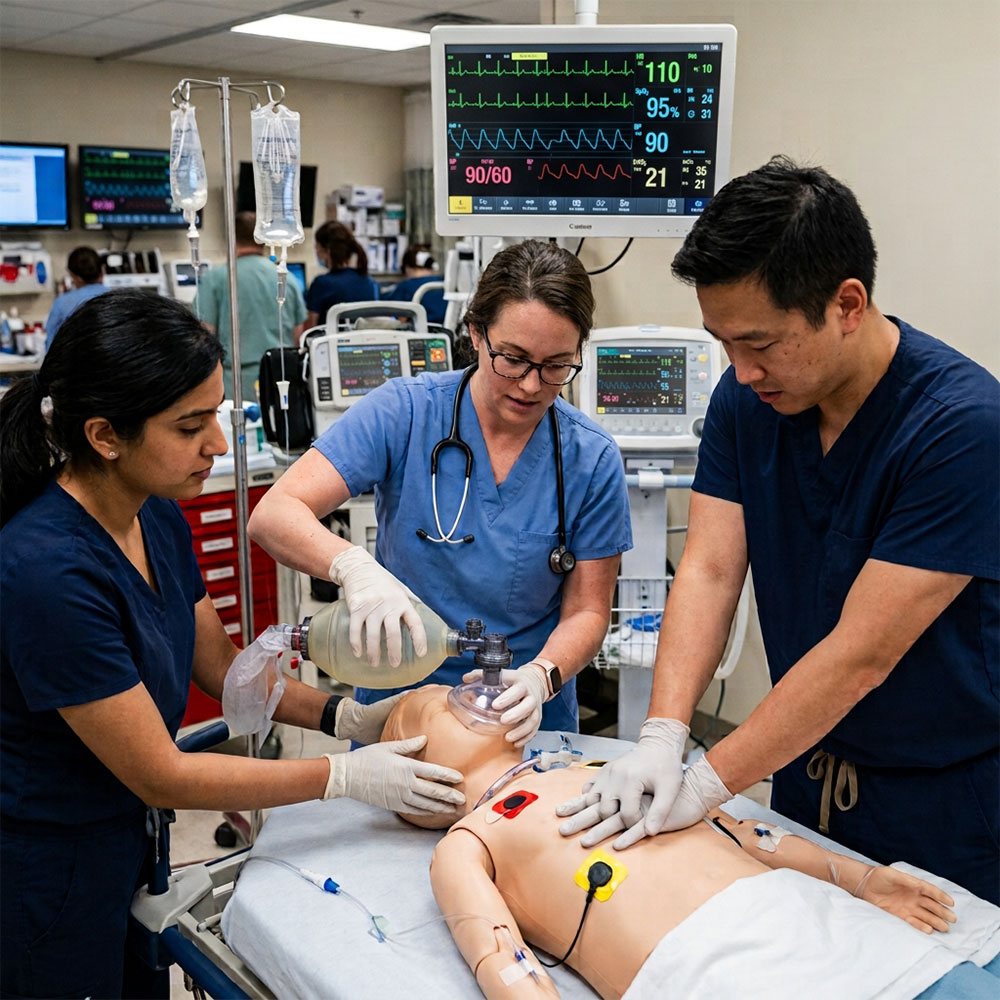
A typical PALS course combines classroom instruction with hands-on simulation training, covering:
- Systematic pediatric assessment approaches
- Recognition of respiratory distress and failure
- Identification and management of shock in children
- Pediatric cardiac arrest algorithms and rhythm recognition
- Effective resuscitation team dynamics and communication
- Post-resuscitation care principles
Courses typically conclude with both a written exam and a practical skills assessment to ensure candidates can apply their knowledge under realistic emergency conditions.
PALS Certification Cost and Renewal
Course fees vary depending on the training provider, format (in-person versus blended learning), and whether renewal or first-time certification materials are included. Generally, blended learning formats that combine online coursework with in-person skills testing tend to be more time-efficient, though pricing structures differ across providers. PALS certification is typically valid for two years, after which renewal involves updated coursework and a repeat skills assessment to ensure continued competency with any updated clinical guidelines.
The Organization behind PALS Standards
PALS courses are developed and standardized by the American Heart Association (AHA), a globally recognized nonprofit organization dedicated to reducing death and disability from cardiovascular disease and stroke, including specialized guidelines for pediatric emergency care. The AHA regularly updates its resuscitation science and treatment algorithms based on the latest clinical research, which is why PALS-certified providers are expected to renew their certification periodically rather than treating it as a one-time credential. Understanding that PALS training is grounded in continuously updated, evidence-based guidelines from a respected international body adds real weight to why employers value this certification so highly. You can learn more about their guidelines and mission at heart.org.
How to Get Certified
Getting PALS certified typically involves enrolling in an accredited training provider’s course, completing the required classroom or blended learning modules, participating in hands-on simulation practice, and passing both a written exam and practical skills evaluation. Choosing a training provider with experienced instructors and realistic simulation scenarios makes a meaningful difference in how confident you’ll feel applying these skills in an actual clinical emergency.
Choosing the Right Training Provider
Since PALS skills need to be second nature in a real emergency, training quality matters immensely. Infinity Skills Healthcare offers healthcare training programs designed to prepare candidates thoroughly for high-stakes certifications like PALS, combining structured coursework with practical, scenario-based learning suited to UAE healthcare settings.
Be Ready When It Matters Most
PALS Certification in UAE isn’t just another line on your resume; it’s a credential that directly equips you to save young lives during critical emergencies. Whether you’re an emergency nurse, paramedic, or pediatric specialist, investing in proper PALS training and staying current with renewal requirements ensures you’re always ready when a child’s life depends on fast, informed action.