
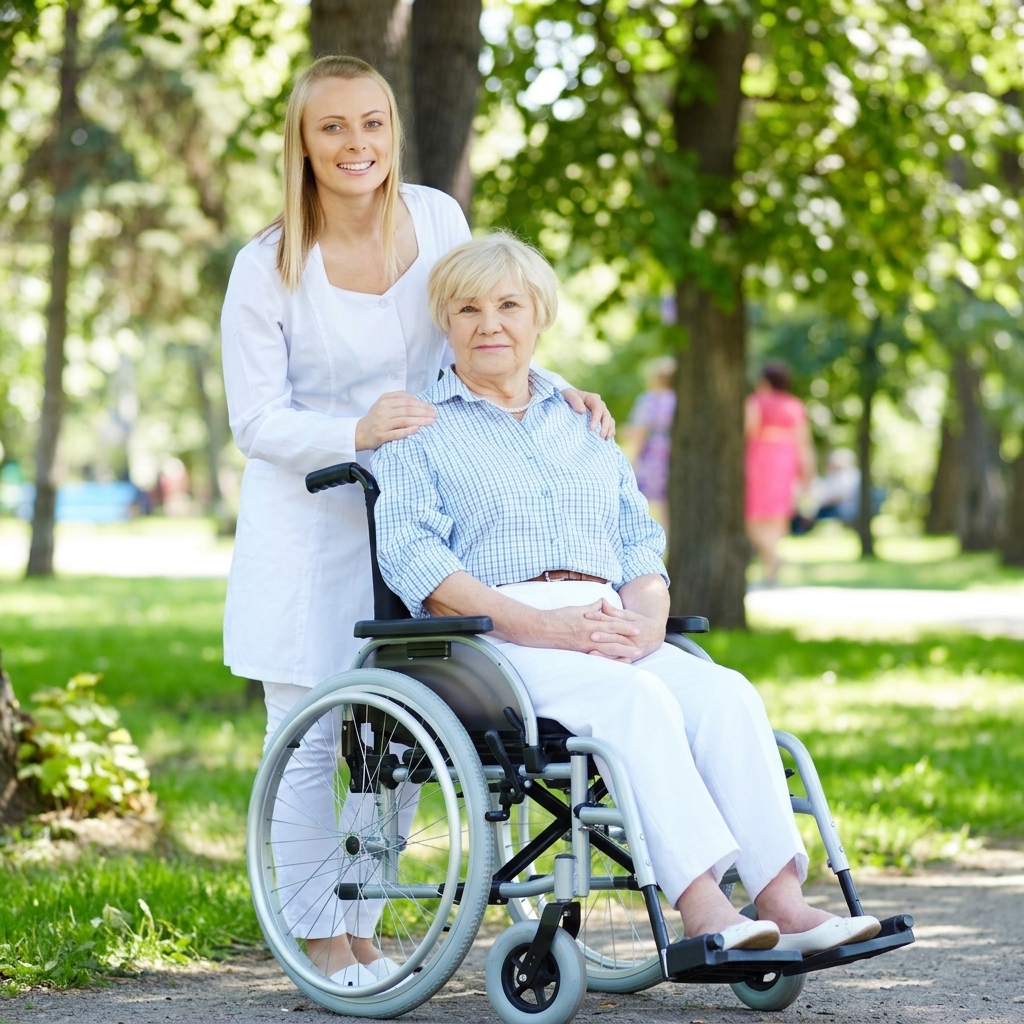
Many families eventually reach a point where an aging parent or recovering relative needs more daily support than relatives can provide on their own. Trained caregivers step in to bridge that gap, some working locally, and others taking positions abroad in what is commonly called international care giving. Infinity Skills Healthcare prepared this overview to walk through what the role entails, the habits that make a caregiver dependable, and how a structured training program prepares you for work in the UAE and beyond
What Is International Care giving?
International care giving refers to providing personal and health-related support to clients in a country outside your own, or completing training aligned with standards accepted across multiple healthcare markets. Caregivers work in private homes, assisted-living residences, rehabilitation clinics, and hospitals.
Day-to-day expectations shift depending on where you work. Languages, household customs, and healthcare regulations vary from country to country, so adaptable caregivers rely on three constants: client safety, personal dignity, and clear communication.
What Does a Caregiver Do?
Daily responsibilities depend on each client’s health and mobility. An older adult might need help bathing and preparing meals, while someone recovering from surgery may need medication reminders and support walking safely. Common duties include:
- Assisting with bathing, dressing, grooming, and toileting
- Preparing meals tailored to medical or cultural dietary needs
- Giving timely reminders for prescribed medications
- Checking basic vital signs such as pulse, temperature, and blood pressure
- Supporting safe transfers, walking, and mobility exercises around the home
- Recording daily notes on changes in appetite, mood, or physical condition
- Updating family members and reporting health concerns to nurses or doctors
Companionship carries just as much weight as physical tasks. Because many clients live alone, a caregiver is often the person they speak with most during the week.
What Professional Caregiver Training Covers
A solid training program builds practical habits alongside classroom knowledge. Because syllabus vary by school, review the curriculum before enrolling. Most comprehensive courses cover:
- Personal care, including hygiene, dressing, and assisted feeding
- Safe body mechanics, patient transfers, and fall prevention
- Basic health monitoring and accurate record-keeping
- First aid and emergency response
- Infection control and safe handling of home care equipment
- Supporting clients living with dementia or limited mobility
- Communication, workplace ethics, and client rights
Look for a course that includes supervised practical labs. Reading about how to transfer a client from a bed to a wheelchair is no substitute for practicing the movement with an instructor watching your technique.
Where Caregivers Work
Population aging is driving steady demand for trained care workers worldwide, a trend tracked closely by the World Health Organization in its work on long-term care systems. Graduates typically find roles in home care agencies, residential care facilities, rehabilitation centers, and hospitals. Some start as live-in home caregivers and later move into senior care or supervisory positions, while others build on their experience by studying nursing or healthcare coordination.
Skills That Make a Good Caregiver
Technical training matters, yet steady interpersonal habits are what earn trust from clients and families:
- Patience: Clients may feel tired, confused, or uncomfortable, and a calm caregiver helps keep the household steady.
- Observation: Noticing when someone eats less than usual or walks differently often catches health issues early.
- Clear communication: Explaining routines plainly and passing accurate updates to relatives or clinical staff prevents misunderstandings.
- Professional boundaries: Respecting privacy and recognizing when a medical issue goes beyond a caregiver’s scope of practice keeps clients safe.
- Cultural awareness: Working abroad often means adapting to unfamiliar foods, religious practices, or languages with respect and curiosity.
Talk to Us Before You Enroll
Care giving requires stamina and empathy, and families remember the people who show up reliably when a loved one needs help. Proper training gives you the practical foundation to start that work safely. Infinity Skills Healthcare offers training for learners preparing for a career in care. Contact our team with questions about course modules or entry requirements, or visit Infinity Skills Healthcare to explore our programs and find the right fit